Bonaire Travel Guide 2026: July and August
If you’ve been eyeing Bonaire for a summer trip, you’re in good company — and you picked a smarter window than you probably realize. This little Dutch Caribbean island, tucked south of the hurricane belt near Venezuela, doesn’t really have an “off season” the way other destinations do. But July and August have their own personality: warm water, steady trade winds, quieter beaches, and a slower, more local rhythm than the busy winter months. Here’s everything a first-time visitor actually needs to know.
What the weather is really like
Let’s start with the honest version, because a lot of travel sites gloss over this. Bonaire sits in a tropical semi-arid climate zone, which basically means hot, sunny, and dry most of the year, with the trade winds doing a lot of work to keep things comfortable.
In July, daytime highs average around 88–91°F (31–33°C), and the island gets a moderate amount of rain — roughly 30 to 60mm spread over just a handful of days. August is very similar in temperature but slightly windier and a touch wetter, with somewhere between 60 and 100mm of rain across 3 to 9 days.
Either way, this is nothing like a rainy season. Showers tend to be short, intense, and often fall at night or early morning, so they rarely eat into your beach or dive time. Sea temperatures hover around 82–84°F (28–29°C) in both months — bathwater warm, and ideal for snorkeling and diving without a wetsuit.
Bonaire’s real rainy season runs October through December, so July and August are firmly part of the dry season, just the slightly warmer half of it. Humidity sits around 76–81%, but the constant northeast trade wind cuts the mugginess considerably. In fact, August is one of the windiest months on the island, alongside February and March — great news if you’re into windsurfing or kiteboarding at Lac Bay, less great if you’re hoping for glassy conditions on every dive.
On hurricanes: Bonaire lies outside the main Atlantic hurricane belt, and direct hits are rare. It’s not risk-zero — a few storms have brushed the ABC islands historically — but Bonaire, along with Aruba and Curaçao, is consistently cited as one of the safer Caribbean bets during hurricane season (June through November), which is exactly why cruise lines and divers treat it as a summer-friendly destination when much of the rest of the Caribbean gets nervous.
What’s actually happening on the island
Bonaire’s biggest signature festivals — Carnival, Dia di Rincon, the Simadan harvest festival, the Sailing Regatta — happen in other months (roughly January through April, and again in October). But don’t mistake that for “nothing happens in summer.” There’s a steady stream of smaller, mostly free, genuinely local events worth building a day or evening around.
In late July, the island’s food scene gets a spotlight with Taste of Bonaire, a recurring evening food festival with live entertainment and local and international dishes — the island runs a few editions throughout the year, so check InfoBonaire’s calendar or the tourism office for the next date if you miss one.
July 18 brings PADI Women’s Dive Day, a global initiative often marked locally by dive shops with women-led dives and events — worth asking your dive operator if they’re participating.
July 26 is the International Day for the Conservation of the Mangroves, and given that Bonaire’s Lac Bay mangroves are a Ramsar-protected wetland and a genuine ecological treasure, this sometimes comes with small awareness activities worth watching for.
July 31 is World Ranger Day, honoring the STINAPA rangers who protect Washington Slagbaai National Park and the Bonaire National Marine Park.
If you’re a nature-lover, keep an eye out in July for the flamboyant trees blooming across the island — their bright orange-red canopies are a genuinely striking, easy-to-spot seasonal detail that first-timers often miss because nobody mentions it.
In August, the marquee date is the 2nd edition of the Washington Park Trail Race on August 23, held inside Washington Slagbaai National Park — a fun one to watch (or join, if you’re an active traveler) even if you’re not racing yourself.
And running through both months, two events repeat monthly and are easy to slot into any itinerary:
Clean Coast Bonaire, a volunteer beach cleanup (Boka Onima on July 12, Piedra Pretu on August 9, both 4–6pm) that welcomes visitors — bring water, sunscreen, and a few friends, and you’ll meet locals while doing something genuinely good for the island — and Nos Zjilea, the cultural gathering at Mangazina di Rei in Rincon on the last Saturday of every month (July 25 and August 29 this year) from 10am to 3pm, with local food, live music, and arts and crafts.
Beyond all that, Bonaire’s real summer draw is still the diving and snorkeling itself, which is world-class year-round regardless of the calendar. If you want a bigger, festival-scale event during your trip, it’s worth glancing at neighboring Curaçao (more on that below).
Check the diving conditions per day HERE.
Why July & August can actually save you money
This is where summer quietly becomes the smart choice. December through April is Bonaire’s high season: cooler, drier weather (relatively speaking), the strongest trade winds for watersports, and the most cruise ship traffic. Prices climb, dive boats fill up, and restaurants get busy.
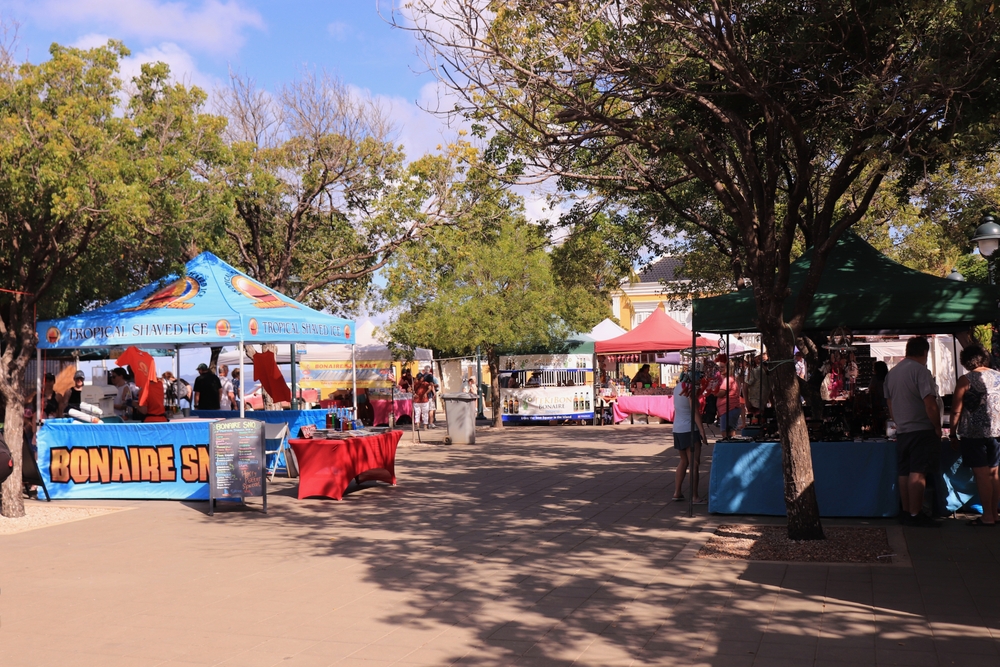
August, by contrast, is genuinely one of the better-value months to visit. Fewer tourists means shorter waits for boat dives, more personal service from dive shops and restaurants, and noticeably lower accommodation prices compared to winter.
If your travel dates are flexible, September pushes this even further for anyone without kids, since school schedules stop mattering and family crowds thin out — but for families specifically, July and August work out just as well since everyone’s on the same summer break, and pricing is still friendlier than the December–April peak.
A practical note that applies no matter when you go: Bonaire charges a visitor entry tax usually paid online before arrival or on entry. Budget for it — it’s not optional and it’s separate from your flight or accommodation cost.
Island hopping: Curaçao and Aruba
Bonaire is part of the “ABC islands” along with Aruba and Curaçao, and a lot of first-timers assume they can hop between them the way you might island-hop in Greece by ferry. You can’t — there is currently no regular ferry service between any of the three islands. The only practical way to move between them is by air, via small regional carriers like Divi Divi Air and EZ Air.
The good news is that the flights are short: about 20–30 minutes between Bonaire and Curaçao, and around 40–50 minutes between Bonaire and Aruba.
The catch is that each island has its own immigration control, so even a short hop involves check-in, security, and passport control on both ends — realistically 3 to 5 hours of total transfer time once you count everything. That makes a true day trip from Bonaire pretty impractical.
If Curaçao or Aruba genuinely interests you, the better move is to tack on a couple of nights before or after your Bonaire stay rather than trying to squeeze it into your itinerary as a side trip.
If you do extend your trip, Curaçao is worth it for its UNESCO-listed capital Willemstad, with its rows of pastel Dutch colonial buildings along the harbor, plus its own excellent diving. It also occasionally hosts the Curaçao North Sea Jazz Festival, a multi-day music event (despite the name, it spans jazz, R&B, Latin, and pop) that has landed in late August or early September in recent years at Piscadera Bay.
Dates shift year to year, so check the festival’s official site before building a trip around it. Aruba, meanwhile, leans into bigger beaches and a livelier resort strip — a nice contrast if you want a couple of “big beach day” nights to bookend Bonaire’s quieter, dive-focused pace.
A 7-day first-timer’s itinerary
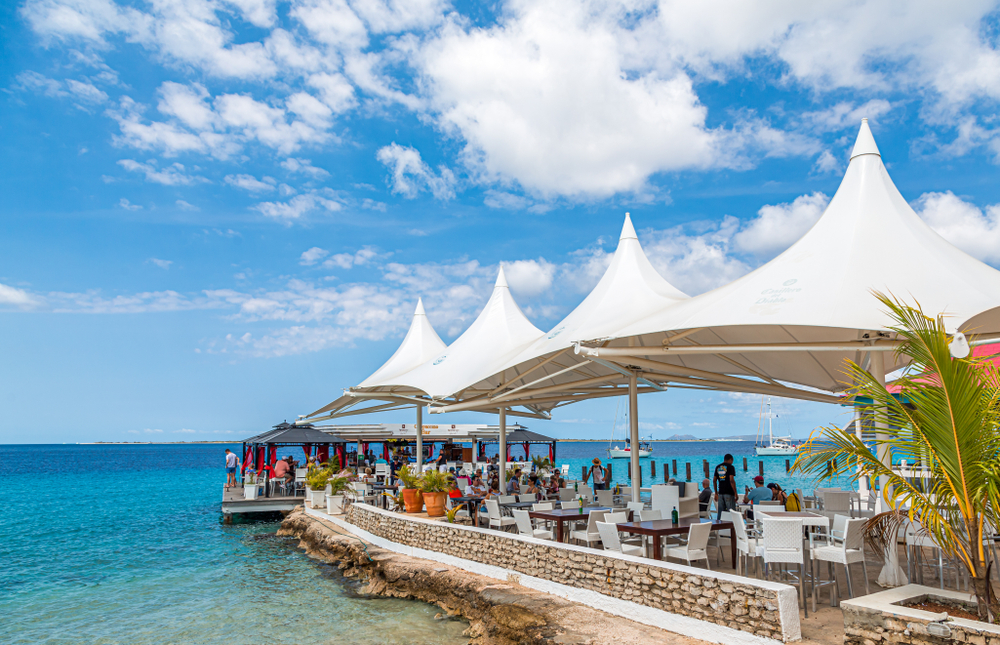
Day 1 — Arrival and easing in. Land at Flamingo International Airport, settle into your hotel, and don’t overplan this first evening. Stroll the Kralendijk boardwalk at sunset and grab dinner at one of the waterfront restaurants — a gentle way to adjust to island time.
Day 2 — Orientation surf, dive, or snorkel, and downtown Kralendijk. Bonaire’s reefs start just steps from shore, which is unusual for the Caribbean and part of why it’s beloved by divers. Book an easy shore dive or snorkel session through a local dive shop, then spend the afternoon wandering Kralendijk’s small shopping streets and waterfront.
Day 3 — Klein Bonaire. This uninhabited islet just offshore is reachable only by water taxi or boat tour, and it’s worth the trip for No Name Beach’s calm, shallow water and excellent snorkeling right off the sand.
Day 4 — Washington Slagbaai National Park. Set aside a full day for this rugged nature reserve in the island’s north. You’ll want a car with decent clearance for the unpaved roads. Expect flamingos, parrots, iguanas, dramatic coastline, and a couple of swimmable coves like Boka Slagbaai.
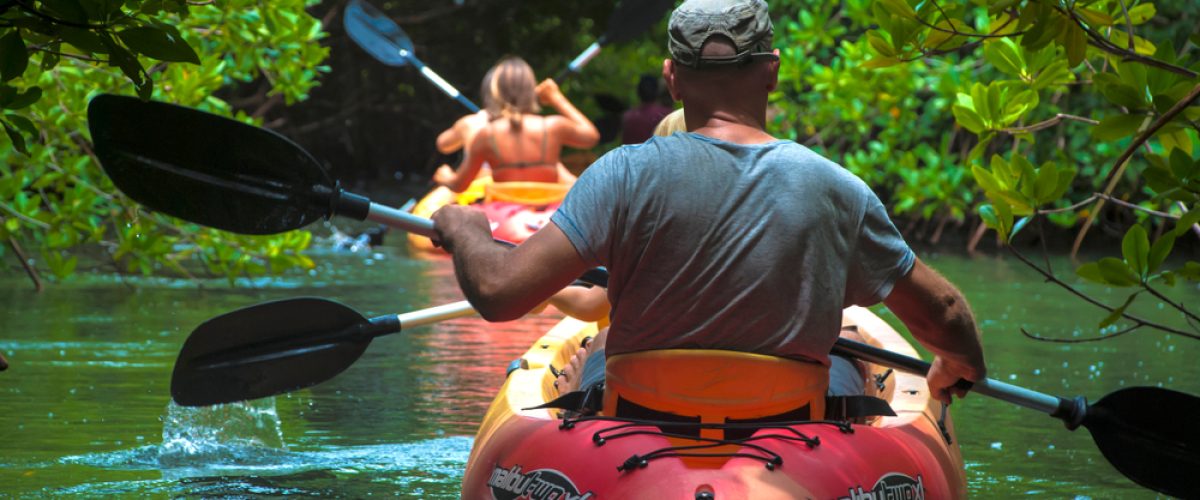
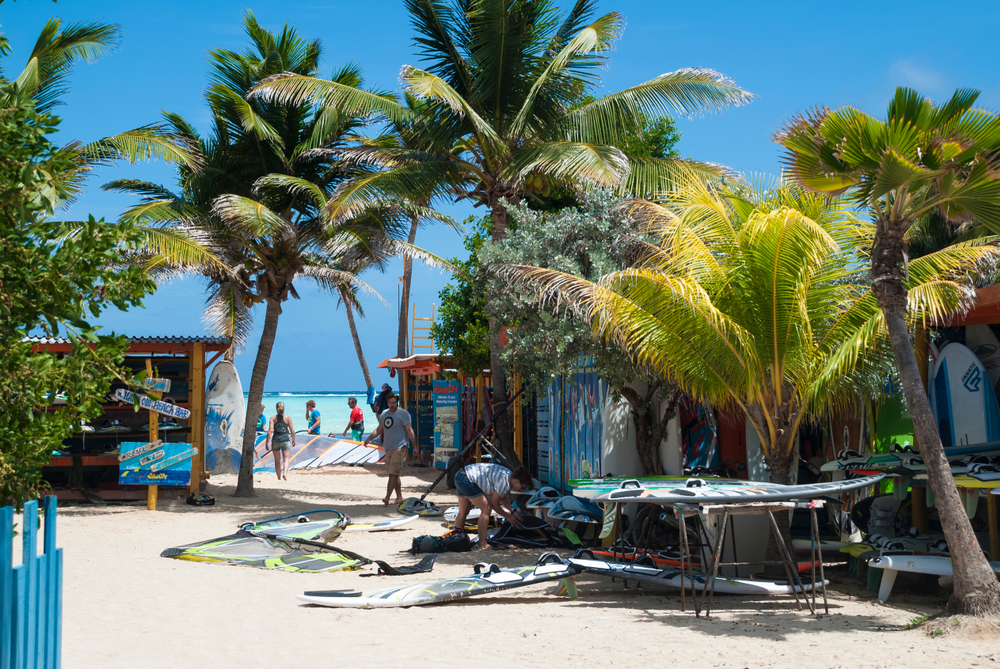
Day 5 — Diving day or Lac Bay watersports. If diving is your thing, this is a good day for a two-tank boat trip to the island’s famous sites. If not, head to Lac Bay for windsurfing or kayaking in calm, wind-protected water — a completely different side of Bonaire’s coastline.
Day 6 — South island route. Drive the southern coast past the striking white salt pans, the old slave huts, and the Pekelmeer Flamingo Sanctuary, then relax at Sorobon Beach. In the afternoon, head up to the quiet village of Rincon, Bonaire’s oldest settlement, and stop by the Cadushy Distillery for a taste of their cactus liqueur.
Day 7 — Free day and departure. Use this for anything you missed — a visit to the Donkey Sanctuary, last-minute souvenir shopping in Kralendijk, or simply one more swim before your flight home.
A 10-day itinerary for a deeper dive (literally)
The extra three days give you room to slow down and add real variety, including a short island extension.
Days 1–6 follow the same structure as the 7-day plan above, but with more breathing room — split the diving and national park days across two separate days instead of cramming, and add a proper rest day by the pool or beach in the middle.
Day 7 — 1000 Steps and night diving. Visit the famous 1000 Steps dive and snorkel site on the island’s northwest coast (it’s really only around 60-70 steps down to the water, but the name has stuck), and if you’re a certified diver, try a guided night dive — the reef life changes completely after dark.
Day 8 — Curaçao add-on. Fly to Curaçao for the day and stay overnight (remember, this isn’t a same-day round trip given the immigration process). Explore Willemstad’s colorful waterfront, the floating market, and if timing lines up with a festival, enjoy it as a bonus.
Day 9 — Curaçao continued or return to Bonaire. Either spend a second day exploring Curaçao’s beaches and reefs, or fly back to Bonaire for one more relaxed island day.
Day 10 — Final island day and departure. Wrap up with the Donkey Sanctuary, a last snorkel session, and any souvenir shopping before heading to the airport.
Bonaire with little kids
Bonaire is a genuinely good family destination, mostly because so much of what makes it special is shallow, calm, and close to shore — no big surf, no long boat rides required for the best snorkeling.
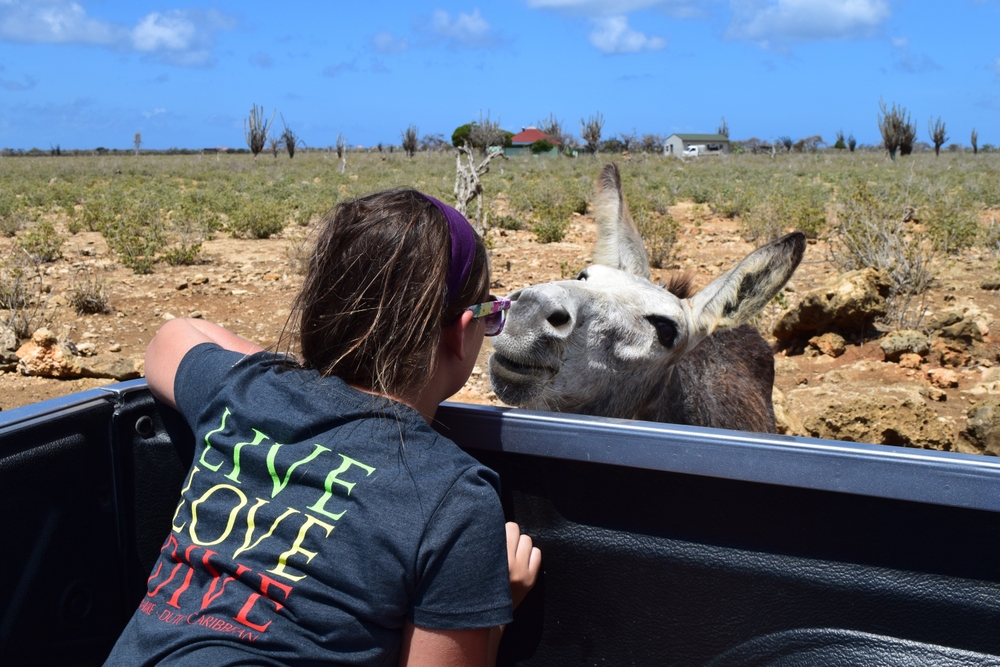
For a 7-day family trip, keep the pace gentler and lean on kid-friendly staples: the Donkey Sanctuary, where kids can feed and pet rescued donkeys from the car or on foot (entry is around $10 per person); a mangrove kayak tour at Lac Bay through the Mangrove Information Center, which includes a short educational talk and calm-water paddling with fish and birds along the way; and shallow, shore-accessible snorkeling at spots like Klein Bonaire’s No Name Beach or Bari Reef, both gentle enough for confident young swimmers with fins and a mask. Sorobon Beach’s shallow, protected water is also ideal for younger kids to simply play, and some windsurf schools there run kids’ clinics for ages 7 and up if your child wants to try it.
Save the more demanding stuff for later — steep hikes like Mount Brandaris in Washington Slagbaai National Park, or long rough drives through the park’s back roads, are better suited to older kids and adults. Instead, stick to the park’s easier, flatter trails and its natural swimming coves, which are still very much worth a visit. A drive along the southern salt pans and Gotomeer, where you can watch flamingos from the car, works well as an easy, air-conditioned family activity on a hot afternoon.
Build in real downtime, too — Bonaire’s sun is intense, and a midday pool break or a shaded rest at your accommodation goes a long way for younger kids. Many family-oriented resorts and villas on the island have their own pools or easy beach access, which takes the pressure off needing a packed schedule every day. Rent a car for the trip; Bonaire has no public transportation, and having your own vehicle makes it far easier to manage nap schedules and last-minute changes of plan.
A few practical things to pack in your planning
A handful of details make a real difference for first-timers. Bring reef-safe sunscreen — Bonaire’s marine park is a big part of why the diving is so good, and the island actively encourages protecting it. A rental car (ideally with decent ground clearance if you’re heading to Washington Slagbaai or Pink Beach) is close to essential, since public transport doesn’t really exist here. And because Bonaire remains a fairly small, low-key island even in summer, restaurant reservations and dive bookings are usually easy to arrange with a day or two’s notice — one more small perk of visiting outside the winter crowds.
Whether you’re coming for the reefs, the quiet pace, or a first family Caribbean trip that doesn’t feel like a marathon, July and August turn out to be a genuinely good — and genuinely underrated — time to see Bonaire.
Island hopping: Curaçao and Aruba
Bonaire is part of the “ABC islands” along with Aruba and Curaçao, and a lot of first-timers assume they can hop between them the way you might island-hop in Greece by ferry. You can’t — there is currently no regular ferry service between any of the three islands. The only practical way to move between them is by air, via small regional carriers like Divi Divi Air and EZ Air.
The good news is that the flights are short: about 20–30 minutes between Bonaire and Curaçao, and around 40–50 minutes between Bonaire and Aruba.
The catch is that each island has its own immigration control, so even a short hop involves check-in, security, and passport control on both ends — realistically 3 to 5 hours of total transfer time once you count everything. That makes a true day trip from Bonaire pretty impractical.
If Curaçao or Aruba genuinely interests you, the better move is to tack on a couple of nights before or after your Bonaire stay rather than trying to squeeze it into your itinerary as a side trip.
If you do extend your trip, Curaçao is worth it for its UNESCO-listed capital Willemstad, with its rows of pastel Dutch colonial buildings along the harbor, plus its own excellent diving. It also occasionally hosts the Curaçao North Sea Jazz Festival, a multi-day music event (despite the name, it spans jazz, R&B, Latin, and pop) that has landed in late August or early September in recent years at Piscadera Bay.
Dates shift year to year, so check the festival’s official site before building a trip around it. Aruba, meanwhile, leans into bigger beaches and a livelier resort strip — a nice contrast if you want a couple of “big beach day” nights to bookend Bonaire’s quieter, dive-focused pace.